


Selecting an industrial gas-fired boiler is a strategic decision that significantly impacts operational efficiency, safety, and long-term energy costs. Making the wrong choice can lead to frequent breakdowns, high fuel expenses, and non-compliance with environmental standards. With today’s complex industrial needs and ever-tightening regulations, how can you be sure you’re selecting the right boiler?
The essential parameters for selecting an industrial gas-fired boiler include boiler capacity and steam output, operating pressure and temperature, fuel type and gas quality, boiler thermal efficiency, emissions compliance, and control system automation. These factors ensure optimal performance, cost-efficiency, and long-term operational reliability.
Industrial engineers and facility managers must evaluate all technical and application-specific requirements to avoid mismatched systems. Below is a breakdown of the most critical parameters to guide informed decision-making when selecting a gas-fired boiler.
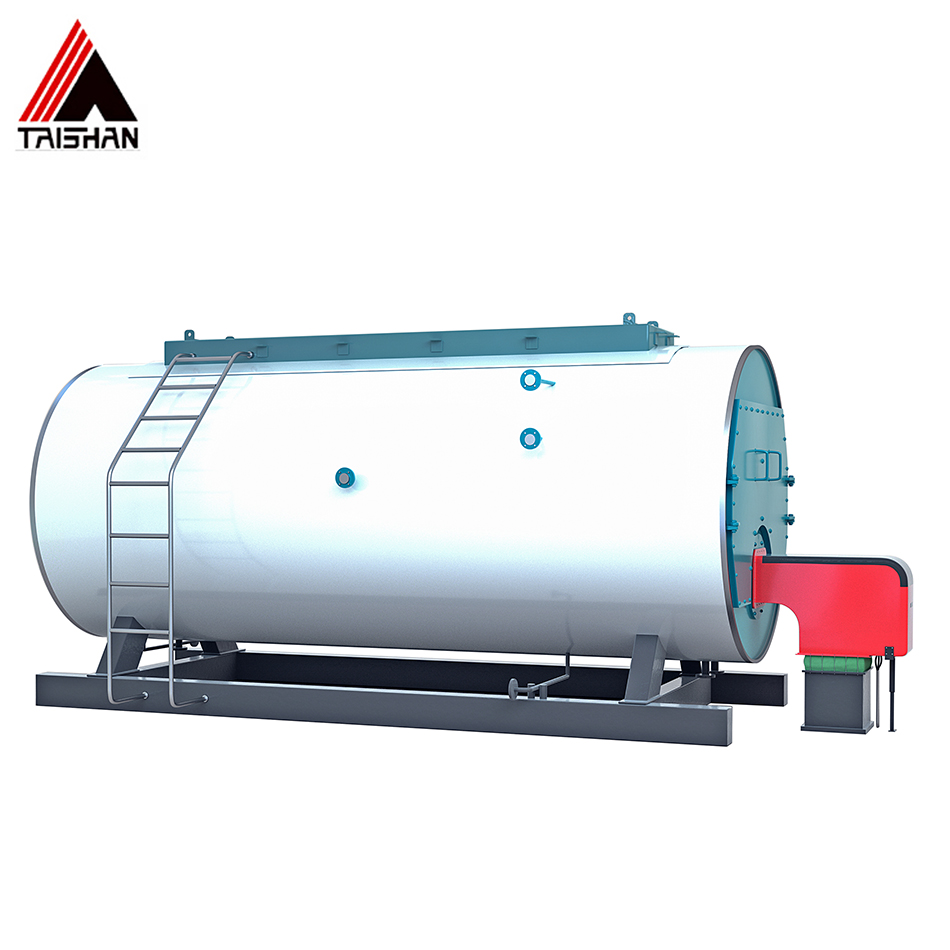
How Does Boiler Capacity and Steam Output Influence the Selection of a Gas-Fired Boiler?
When selecting a gas-fired boiler for industrial or power generation use, the most fundamental question to ask is: What steam output do you need? Boiler capacity and steam output are the backbone parameters that define not just the physical size of the boiler, but its design type, burner configuration, fuel consumption, operational costs, and integration with downstream equipment like turbines, process heat exchangers, or HVAC systems. Misjudging this specification can lead to oversizing (leading to inefficiencies and cost waste) or undersizing (resulting in pressure drops, frequent cycling, and operational risk). For any gas-fired boiler application, capacity and steam output are the starting point of smart system selection.
Boiler capacity and steam output are critical in selecting a gas-fired boiler because they determine the system’s ability to meet process or power demands efficiently and reliably. Boiler capacity, typically measured in tons of steam per hour (TPH) or BTU/hr, must align with the required steam flow rate, pressure, and temperature for the intended application. This ensures consistent load handling, optimal burner operation, proper heat transfer, and fuel efficiency. An accurate match between boiler capacity and steam demand minimizes fuel consumption, prevents premature wear, and maximizes system longevity.
Selecting a gas-fired boiler without accurately defining steam capacity is like choosing an engine without knowing how fast or far it needs to go—it compromises every key performance metric.
Boiler capacity directly affects the size and configuration of a gas-fired boiler.True
Larger capacities require more combustion surface area, higher burner output, and stronger pressure components to handle steam generation efficiently.
A boiler can be chosen without considering steam output requirements.False
Steam output is essential for determining the correct boiler type, size, burner configuration, and integration with downstream equipment.